FOB vs CIF When Importing Cars from China: Which Should You Choose?
By Kunta, B2B Solution Manager, EVtoU · Published · Updated
Choose FOB if you already have a freight forwarder with good rates to your port. Choose CIF if this is your first import from China, or you want one price that includes sea freight and insurance. Under both terms, the risk of loss or damage passes to you once the cars are on board the ship in China. That point surprises many first-time buyers.
FOB and CIF are two of the eleven rules in Incoterms 2020, published by the International Chamber of Commerce. You can read the official summary on the ICC Incoterms 2020 page. This guide explains how they work for cars shipped from Shanghai, Tianjin or Guangzhou.
What is the difference between FOB and CIF?
Under FOB (Free On Board), the seller delivers the cars on board the ship you nominate, and you pay for freight and insurance. Under CIF (Cost, Insurance and Freight), the seller also books and pays for the main sea freight and a minimum level of cargo insurance to your port.
Both rules name a port. FOB names the port of loading, such as FOB Tianjin. CIF names the port of destination, such as CIF Jebel Ali or CIF Lagos. Both rules are meant for sea and inland waterway transport only.
Who pays for what under each term?
The seller pays more under CIF, but the buyer still pays for everything after the cars reach the destination port.
| Cost or task | FOB (e.g. FOB Tianjin) | CIF (e.g. CIF Lagos) |
|---|---|---|
| Vehicles, factory to port in China | Seller | Seller |
| China export clearance | Seller | Seller |
| Loading on board | Seller | Seller |
| Main sea freight | Buyer | Seller |
| Cargo insurance at sea | Buyer (optional but wise) | Seller (minimum cover) |
| Unloading and port charges at destination | Buyer | Buyer, unless the contract says otherwise |
| Import clearance, duties and taxes | Buyer | Buyer |
| Inland delivery to your showroom | Buyer | Buyer |
| Risk passes to buyer | When on board in China | When on board in China |
When does the risk pass to the buyer?
Under both FOB and CIF, risk passes when the goods are on board the vessel at the port of loading. CIF moves cost to the seller, not risk.
This means that under CIF, if a car is damaged at sea, it is your loss, not the seller's. You claim on the insurance policy the seller bought for you. That is why the insurance terms in a CIF deal matter so much. Always ask for the policy or certificate, check who the insured party is, and check that it names you or can be passed to you.
How much insurance does CIF include?
Only minimum cover, unless you agree more. Under Incoterms 2020, the CIF seller must buy cover at least equal to Institute Cargo Clauses (C), for at least 110% of the contract price.
Clauses (C) covers named major events such as fire, sinking or stranding, but not all risks. For new cars, dents, scratches and theft of parts are the more common problems, and (C) cover may not pay for them. Ask for all-risks cover, such as Institute Cargo Clauses (A), and put it in the sales contract. Incoterms 2020 did raise the minimum under the related CIP rule to Clauses (A), but it left CIF at (C).
Are FOB and CIF right for container shipments?
Not always. The ICC's guidance points buyers toward FCA and CIP when goods are handed to a carrier before they are loaded on board, which is normal for containers.
When we load cars into a 40HQ container, the container is handed to the terminal before it goes on the ship. Under FOB, the seller still carries risk during that gap, even though the seller no longer controls the container. FCA (Free Carrier) moves the delivery point to the handover, and CIP adds insurance with higher minimum cover. For Ro-Ro, where cars drive on board, FOB and CIF fit well. In practice, many car buyers still use FOB and CIF for containers because banks and brokers know them. If you do, make the handover point clear in the contract.
Does customs charge duty on the FOB or CIF value?
Many customs authorities calculate duty on a CIF-type value, which includes freight and insurance, even if you bought on FOB terms. Rules differ by country, so check with your customs broker.
If you buy FOB, customs will usually still ask for your freight invoice and insurance cost to build the customs value. Keep those documents ready. The general method most countries follow is set by the WTO Customs Valuation Agreement, which lets each member decide whether freight and insurance to the port of import are included. Some countries also use reference values for vehicles rather than the invoice price. Your broker can tell you which method applies and the current duty rate. See our shipping and import guide for the documents we provide with each shipment.
Which should I choose for my first order?
CIF is usually easier for a first order. FOB usually saves money once you have a forwarder and steady volume.
| Your situation | Better fit | Reason |
|---|---|---|
| First import from China, no forwarder | CIF | One landed-at-port price, fewer parties to manage |
| You have a forwarder with contract rates | FOB | You control freight cost and sailing dates |
| Your bank requires a set term for the letter of credit | As the bank requires | Documents must match the credit |
| Mixed orders across several models | Either | We quote both on one proforma |
| Container shipments | FCA or CIP, or FOB/CIF with a clear handover clause | Matches when risk actually moves |
A third option, CFR (Cost and Freight), works like CIF but without insurance. It suits buyers who hold an annual cargo policy at home.
What does an FOB quote from EVtoU include?
Our FOB price includes the vehicle, inland transport to the Chinese port, export clearance and loading. Our indicative FOB starting prices are on the price page.
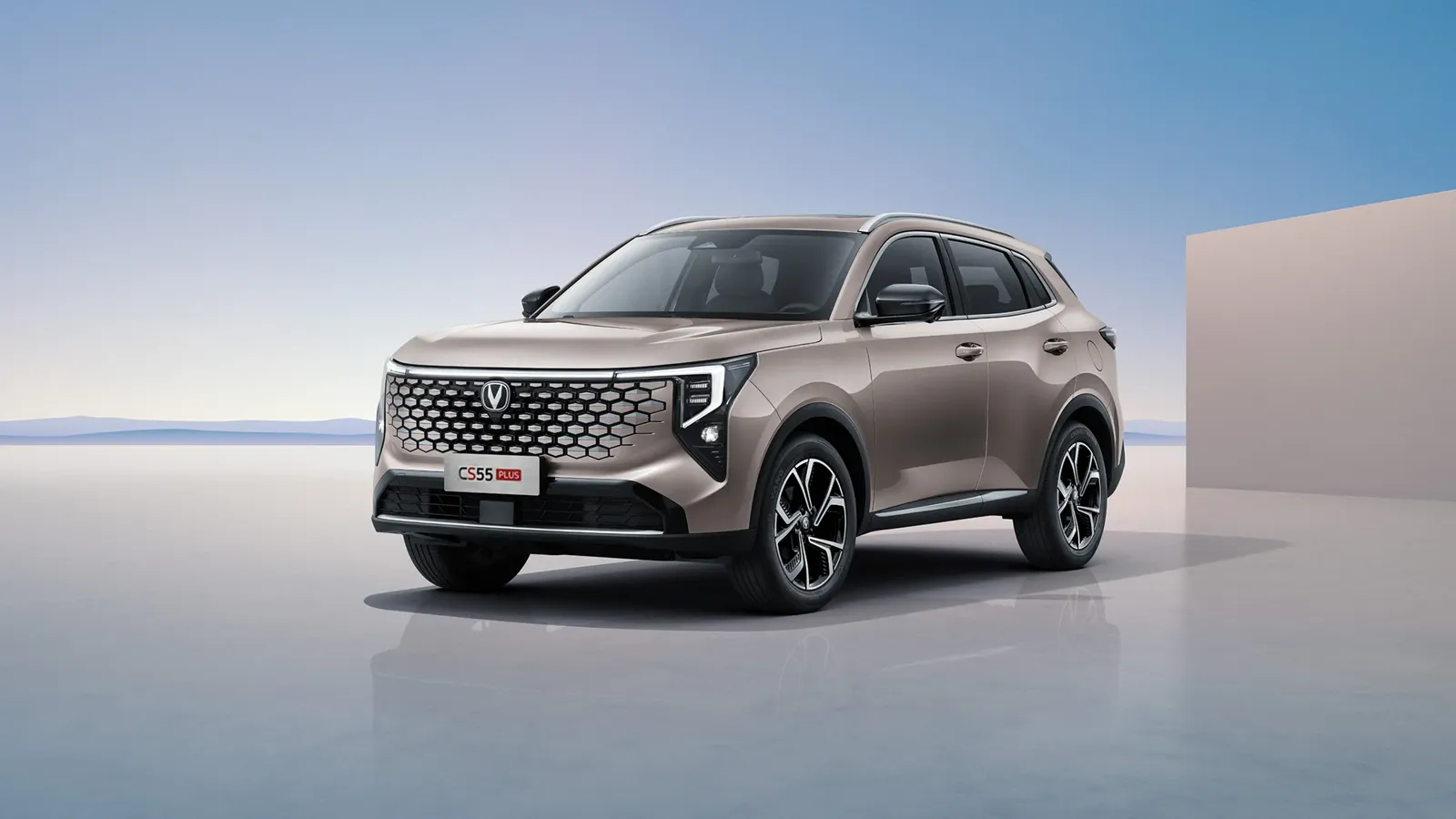
For example, the CS55 PLUS starts at an indicative US$11,900 FOB and the CS75 PLUS at US$14,900 FOB. For CIF we add freight and insurance quoted for your port and sailing date. We do not publish freight rates, because they move with the market. EVtoU is an independent exporter, not Changan. See our services for what else we handle, such as document preparation and pre-shipment inspection.
What should the sales contract say?
Write the full term, the named port and the rules version, such as 'CIF Jebel Ali, Incoterms 2020'. Then add the points Incoterms does not cover.
- Payment terms, such as deposit and balance by bank transfer, or a letter of credit.
- When ownership passes. Incoterms do not deal with title to the goods.
- Insurance level under CIF, ideally all-risks cover.
- Who pays destination terminal handling charges.
- Damage inspection and claims steps at arrival.
How do I get an FOB and CIF quote side by side?
Send your model list, quantity and destination port through the contact page, or message our WhatsApp sales team. We will quote FOB and CIF on one sheet so you can compare them against your own forwarder.